

Long-Term Value of Dental Implants in Albania
Learn the long-term value of dental implants in Albania, including how implants protect jawbone health, preserve facial structure, prevent tooth movement, and offer a more durable solution than bridges or removable dentures. This guide explains why international patients choose Andent Clinic in Tirana for affordable implant treatment, long-lasting results, and savings compared with the UK, Germany, and Western Europe.
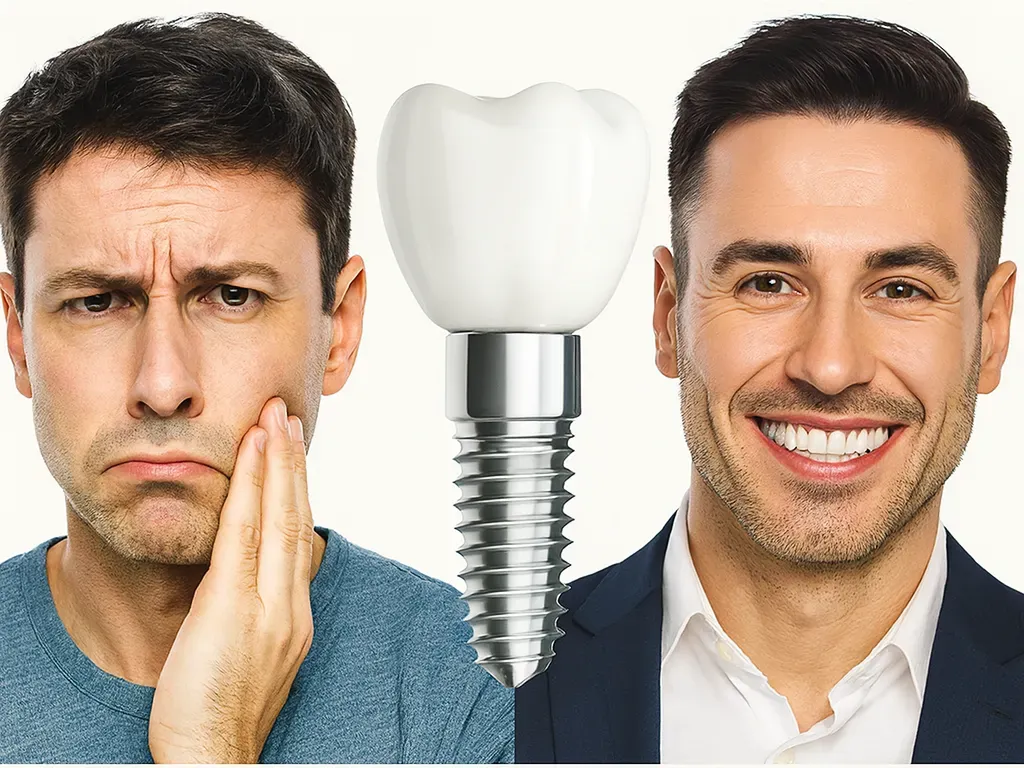
Investing in dental implants Albania provides not just immediate results but also long-term value. Patients choose Albania because implants are affordable, durable, and delivered with expert care.
At the best dental clinic in Albania, internationally recognized implant systems are used, ensuring strength and reliability. Digital planning and precise surgical techniques create natural-looking results that last for decades with proper care.
Compared to removable dentures or temporary solutions, implants restore full function. Patients can eat, speak, and smile with confidence, knowing their teeth are secure.
Affordability is another advantage. In Western Europe, implants are often priced beyond reach. By choosing dental tourism Albania, patients save thousands while still enjoying world-class standards. Even with travel expenses, the total cost remains significantly lower.
The long-term benefits also include oral health improvements. Implants prevent bone loss, maintain facial structure, and protect surrounding teeth. When combined with cosmetic dentistry Albania or a smile makeover Albania, they create a complete transformation.
With expert care, proper hygiene, and regular checkups, dental implants Albania remain a wise investment for both health and confidence.
A Dental Implant Is Not Just a Cosmetic Fix. It Is a Health Investment.
Patients often come to Andent Clinic thinking about dental implants primarily in cosmetic terms. They want to restore the appearance of their smile, to stop feeling self-conscious about a gap in their teeth. That motivation is completely valid, and the aesthetic result of a well-placed implant with a custom-crafted crown is genuinely impressive. But the health benefits of dental implants go much deeper than how they look, and understanding those benefits helps explain why implants represent far better long-term value than the cheaper alternatives.
When a tooth is lost and not replaced, a chain of events begins that most patients do not see until years later. The bone that once supported the missing tooth begins to shrink, because without a root exerting pressure during chewing, the body stops maintaining bone in that area. Over months and years, this bone resorption changes the shape of the jaw, causes nearby teeth to drift out of alignment, and can ultimately affect the structure of the face itself. Patients who lose multiple teeth and go without implants for years often notice a gradual collapse of the lower face that ages their appearance significantly.
A dental implant stops this process entirely. Because the titanium root integrates with the bone and transmits chewing forces just like a natural root, the bone receives the stimulation it needs to stay healthy. The result is preserved bone volume, stable neighbouring teeth, and a maintained facial structure for decades to come.
Comparing Implants to Other Tooth Replacement Options
Dental implants are not the only way to replace a missing tooth. Understanding how they compare to alternatives helps patients make informed decisions about what represents genuine long-term value.
A dental bridge replaces a missing tooth by anchoring a false tooth to the two neighbouring teeth on either side. To do this, those neighbouring teeth must be substantially reduced in size so that crowns can be placed over them as anchors. This means that two perfectly healthy teeth are permanently altered to compensate for one missing tooth. Over time, crowned teeth are more vulnerable to decay under the crown margin and to root canal problems. A bridge also does nothing to prevent bone resorption beneath it, because there is no root stimulating the bone. The average lifespan of a dental bridge is ten to fifteen years before it needs replacement, and the process of replacing it further compromises the supporting teeth.
Removable partial dentures offer an even cheaper short-term option but come with significant practical limitations. They must be removed for cleaning, can be uncomfortable to wear, affect the ability to eat certain foods, and cause social embarrassment for many patients. Like bridges, they provide no stimulus for the underlying bone. Long-term denture wearers experience progressive bone loss that makes eventual implant placement more difficult and expensive.
Dental implants require more upfront investment than these alternatives, but they do not compromise healthy teeth, they actively preserve bone, and they last significantly longer. When calculated over a twenty-year period, the total cost of maintaining an implant is often lower than the repeated replacement costs of a bridge or the progressive oral health consequences of a denture.
Real Savings Over a Lifetime
The financial argument for dental implants in Albania is particularly compelling. Patients from the UK who would pay 2,500 to 3,500 pounds per implant at home can receive the same quality treatment at Andent for 400 to 800 euros. That saving, applied across multiple implants, can total tens of thousands of euros.
But the financial comparison should not stop at the initial treatment cost. Consider the cost of a bridge over twenty years: the initial fabrication, the replacement at ten to fifteen years, the management of any decay issues affecting the supporting teeth, and the potential for those teeth to eventually require root canals or further treatment. By the time a patient has had a bridge area managed for twenty years, the cumulative cost can easily exceed what an implant would have cost at the start.
An implant placed correctly by an experienced surgeon at Andent using a quality titanium system has a realistic chance of lasting 25 to 40 years or more. The crown will need replacement after 15 to 20 years, but the implant itself may never need to be touched again. That kind of durability represents genuine long-term value.
The Oral Health Benefits Beyond the Implant Site
The value of dental implants extends beyond the tooth being replaced. When a tooth is missing and the gap is left unfilled, neighbouring teeth drift towards the space. This migration disrupts the bite, which places uneven stress on the remaining teeth and on the jaw joints. Bite imbalances of this kind contribute to tooth wear, jaw pain, headaches, and in some cases to temporomandibular joint disorders that require specialist treatment.
An implant prevents this drift by occupying the space fully. Neighbouring teeth remain stable, bite balance is preserved, and the downstream dental problems associated with missing teeth are avoided. For patients who have lost multiple teeth, the systemic benefit of comprehensive implant treatment extends to better chewing function, which supports good nutrition, and improved speech clarity.
Confidence, Quality of Life and Mental Health
The psychological impact of tooth loss is well documented but often underestimated. Studies consistently show that missing front teeth in particular are associated with reduced self-confidence, social withdrawal, and avoidance of situations involving close personal contact. Patients describe feeling embarrassed in professional settings, avoiding smiling in photographs, and modifying their speech to conceal gaps in their teeth.
The transformation that follows successful implant treatment at Andent is not only physical. Patients who visit the clinic for follow-up appointments months after treatment consistently report improvements in confidence, in social ease, and in willingness to engage with situations they previously avoided. This quality of life change is difficult to quantify financially, but it is a form of value that patients themselves consistently describe as significant.
Frequently Asked Questions About the Long-Term Value of Implants
How long do dental implants in Albania actually last?
With proper care, titanium implants can last a lifetime. Clinical studies show survival rates of 85 to 95 percent at 20 years. The crown may need replacement after 15 to 20 years, but the implant root itself can remain in place indefinitely.
Are dental implants in Albania the same quality as in Germany or the UK?
Yes, at a clinic like Andent. The implant systems used, the clinical protocols followed, and the training of the surgical team meet the same standards as top clinics in Western Europe. The price difference reflects operating costs in Albania, not clinical quality.
Is it worth having implants if I am in my 60s or 70s?
Absolutely. Age alone is not a contraindication for implants. Many of Andent’s most satisfied patients are in their 60s and 70s. The health and quality of life benefits of implants are meaningful at any adult age.
What is the biggest risk to the long-term success of my implant?
Smoking and inadequate oral hygiene are the two biggest risk factors for implant failure over time. Managing these factors carefully after treatment significantly extends implant lifespan.
Do I need special maintenance for my implant?
Implants require the same basic care as natural teeth: brushing twice daily, interdental cleaning, and regular professional hygiene appointments. Your dentist may recommend an interdental brush that fits around the implant neck for optimal cleaning.
Newsletter
Get Dental Tips in Your Inbox
One email per month. Expert guides, patient stories, and exclusive offers — no spam.
Get Started
Free Treatment Plan in 24 Hours
Send us your X-rays or photos. Our specialists will reply with a full, personalised quote — no obligation.
Latest Articles
-
 October 4, 2026
Why Are Dental Implants So Expensive? (And How to Pay 70% Less)
Learn what drives dental implant costs in the UK, why the NHS rarely covers implants, and how treatment in Tirana can reduce the total… Read more
-
 October 4, 2026
How Long Are NHS Dentist Waiting Lists? (And the Fastest Way to Skip the Line)
See how long NHS dentist waiting lists can be, why delays happen, how dental problems can progress, and what alternatives UK patients may consider. Read more
-
 October 3, 2026
How to Find Affordable Dental Care Without Insurance
Explore practical ways to find affordable dental care without insurance, from dental schools and payment plans to lower-cost treatment at Andent Clinic in Tirana. Read more
Ready to Start?
Your New Smile is One
Consultation Away
Send us your X-rays or dental photos and receive a personalised treatment plan with clear pricing within 24 hours — completely free of charge. No obligation. No pressure. Just clarity.