

Modern Orthodontics in Albania: Digital Planning, Braces and Clear Aligners
Learn about modern orthodontics in Albania, including digital scanning, 3D treatment planning, clear aligners, metal braces, ceramic braces, retainers, and treatment options for teens and adults at Andent Clinic in Tirana. This guide explains how international patients can achieve straighter teeth with affordable orthodontic care, remote progress monitoring, dental tourism support, and treatment costs lower than many Western European clinics.
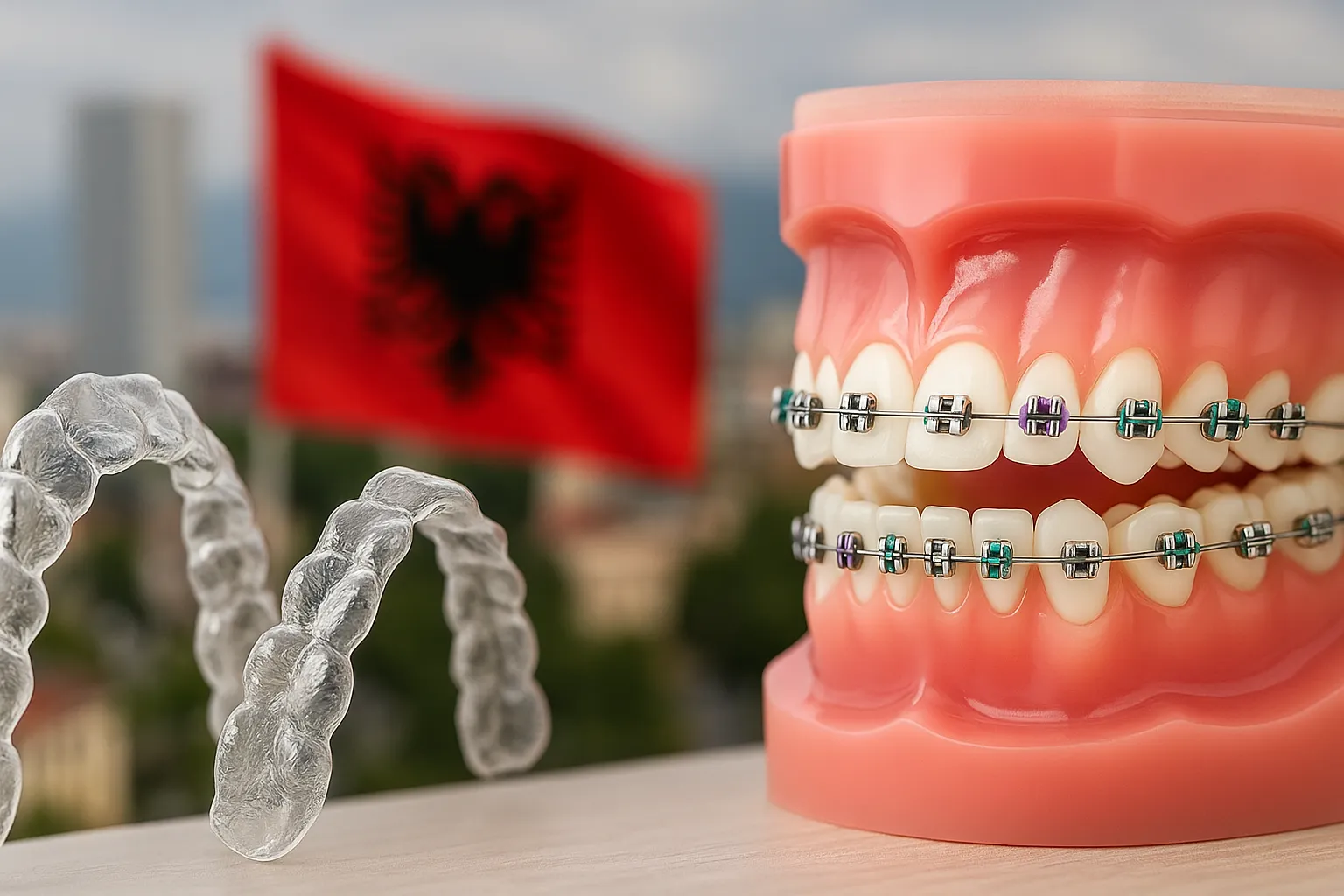
Modern orthodontics Albania has transformed the way patients achieve straighter smiles. With advanced techniques and international standards, Albania offers treatments that are effective, discreet, and affordable.
Traditional braces remain an option, especially for complex cases, but many patients now prefer clear aligners. These removable systems make it easy to maintain oral hygiene and lifestyle comfort while correcting alignment. Clinics offering dental tourism Albania provide both solutions, depending on patient needs.
The best dental clinic in Albania uses digital imaging and 3D planning to customize orthodontic treatments. This technology ensures precise results and shorter treatment times. Patients can see a preview of their final smile before the process begins, adding confidence and clarity to their decision.
International patients often combine orthodontics with other treatments, such as cosmetic dentistry Albania or dental implants Albania, to achieve a complete smile makeover Albania. The combination of affordability and quality makes Albania a smart choice for both adults and teens.
Costs are another reason patients travel for orthodontics Albania. Treatment can be up to 60 percent more affordable than in Western Europe, with no compromise in materials or expertise. Many clinics also provide free accommodation, airport transfers, and translation services, creating a stress-free journey from start to finish.
For anyone seeking orthodontic care abroad, Albania delivers the perfect blend of modern solutions, experienced specialists, and warm hospitality.
Orthodontics Has Changed More in the Last Ten Years Than in the Previous Fifty
The traditional image of orthodontic treatment involves a child with a mouth full of metal, months of adjustment appointments, and a period of retainer wear before the result settles. That image still applies in some cases, but modern orthodontics has expanded dramatically beyond it. Digital scanning, computer-aided treatment planning, ceramic bracket systems, and clear aligner technology have created options that simply did not exist a generation ago. At Andent Clinic in Tirana, these modern orthodontic approaches are available to patients of all ages at prices significantly lower than what is charged in Western Europe.
The orthodontic team at Andent combines specialist training with the latest digital tools to create precise, predictable treatment plans. Whether a patient needs comprehensive alignment correction or a targeted fix for a specific aesthetic concern, the starting point is always a complete digital assessment that maps the current position of every tooth in three dimensions.
Digital Scanning and 3D Treatment Planning
Gone are the days when orthodontic planning required uncomfortable putty impressions. At Andent, intraoral digital scanners capture a precise three-dimensional model of the teeth and jaws in minutes. The patient sits comfortably while a small handheld scanner records thousands of data points, creating a digital model that can be viewed, rotated, and analysed on screen.
This digital model is the foundation of the treatment plan. For fixed brace patients, it shows the current positions of teeth and the movements required to achieve the desired alignment. The orthodontist uses this data to select bracket positioning, archwire sequences, and auxiliary attachments that will guide the teeth along the most efficient path.
For clear aligner patients, the digital model is even more central to the process. Planning software uses the scan to simulate the proposed tooth movements through each stage of treatment, generating a three-dimensional animation of how the teeth will move over time. Patients can view this simulation during their consultation and see their projected final result before any treatment begins. This is one of the most powerful aspects of modern orthodontic planning: the patient is no longer asked to imagine the outcome. They can see it.
Clear Aligners: How They Work and Who They Suit
Clear aligner treatment works through a series of precisely calculated plastic trays. Each tray moves specific teeth by a fraction of a millimetre. After wearing each tray for one to two weeks, the patient progresses to the next tray in the series. Over the course of the planned treatment, the cumulative effect of these small movements produces the desired alignment.
The trays are fabricated from a clear medical-grade thermoplastic that is essentially invisible when worn. Unless someone is looking very closely and knows what to look for, aligner wearers are undetectable in professional or social settings. This is the primary advantage over metal braces for adult patients.
The removability of aligners is a genuine practical benefit. Patients can eat and drink without restriction, since the trays are removed at mealtimes. Brushing and flossing are performed normally. There are no food restrictions, no risks of bracket debonding from hard foods, and no challenges with cleaning around fixed appliances.
The requirement for discipline is the corresponding trade-off. Aligners must be worn for 20 to 22 hours per day. Patients who remove them too frequently extend their treatment time or achieve incomplete results. At Andent, the treatment planning process includes a discussion of compliance expectations so patients understand what they are committing to before starting.
Fixed Braces: When They Are Still the Best Option
For all the advances in clear aligner technology, traditional fixed braces remain the most powerful orthodontic tool available for complex cases. Teeth that require significant rotation, movement along the arch, or vertical repositioning are more reliably managed with fixed appliances than with aligners. For teenagers with growing jaws and complex class II or class III bite relationships, fixed braces are often the clinically appropriate choice.
At Andent, both metal and ceramic fixed brace systems are available. Metal braces are the most robust and economical option. Ceramic braces use tooth-coloured brackets that are far less visible than metal while providing the same clinical function. For patients who need fixed appliance treatment but are concerned about aesthetics, ceramic braces represent an effective middle ground between metal braces and clear aligners.
How International Patients Manage Orthodontic Treatment from Abroad
One of the most common questions from patients considering orthodontic treatment at Andent is how to manage treatment from another country. The answer depends on the type of treatment chosen.
For clear aligner patients, Andent provides multiple sets of trays in advance, typically enough to cover two to three months of treatment between visits. Patients change trays at home on the planned schedule and send progress photographs to the Andent orthodontic team at regular intervals. If adjustments to the plan are needed, these are communicated remotely and addressed at the next visit.
For fixed brace patients, the appointment schedule requires visits to Tirana every six to eight weeks during active treatment. The Andent team works with international patients to plan these visits efficiently, combining orthodontic appointments with any other dental work needed to minimise the total number of trips.
A dedicated patient coordinator manages all scheduling, accommodation arrangements, and logistics for international patients. For those who are also having implants or cosmetic work done alongside orthodontics, all treatments are sequenced in the plan to make each visit as productive as possible.
Frequently Asked Questions About Orthodontics at Albania
How much does orthodontic treatment in Albania cost?
Costs depend on the type of treatment and the complexity of the case. As a general comparison, clear aligner treatment that costs 4,000 to 6,000 euros in Italy or the UK can be completed at Andent for significantly less. An exact quote is provided after the digital assessment.
How long will I need to wear a retainer after treatment?
Most patients need to wear a retainer full time for the first few months after braces are removed, then as a nighttime retainer for the longer term. Andent provides custom-made retainers and clear instructions for their use.
Is it painful to start clear aligners?
The first few days of each new aligner tray can cause mild pressure and discomfort as the teeth begin to move. This typically fades within two to three days and is manageable with over-the-counter pain relief if needed.
What age can a child start orthodontic treatment?
A first orthodontic assessment is often recommended at age seven to identify any early issues while the jaw is still growing. Active orthodontic treatment usually begins between the ages of eleven and fourteen, depending on the development of permanent teeth.
Can I have clear aligners if I have had implants or crowns?
In many cases, yes. Aligners can move natural teeth around fixed restorations. The orthodontist assesses the specific situation during the digital planning process and advises on what is achievable.
Newsletter
Get Dental Tips in Your Inbox
One email per month. Expert guides, patient stories, and exclusive offers — no spam.
Get Started
Free Treatment Plan in 24 Hours
Send us your X-rays or photos. Our specialists will reply with a full, personalised quote — no obligation.
Latest Articles
-
 October 4, 2026
Why Are Dental Implants So Expensive? (And How to Pay 70% Less)
Learn what drives dental implant costs in the UK, why the NHS rarely covers implants, and how treatment in Tirana can reduce the total… Read more
-
 October 4, 2026
How Long Are NHS Dentist Waiting Lists? (And the Fastest Way to Skip the Line)
See how long NHS dentist waiting lists can be, why delays happen, how dental problems can progress, and what alternatives UK patients may consider. Read more
-
 October 3, 2026
How to Find Affordable Dental Care Without Insurance
Explore practical ways to find affordable dental care without insurance, from dental schools and payment plans to lower-cost treatment at Andent Clinic in Tirana. Read more
Ready to Start?
Your New Smile is One
Consultation Away
Send us your X-rays or dental photos and receive a personalised treatment plan with clear pricing within 24 hours — completely free of charge. No obligation. No pressure. Just clarity.