

Patient Stories: Cosmetic Dentistry in Albania That Changed Real Lives
Read real patient stories about cosmetic dentistry in Albania at Andent Clinic in Tirana, including veneers, All-on-4 implants, orthodontics, and smile makeover results. This post explains how international patients from the UK, Italy, and Germany transformed their smiles with affordable treatment, Digital Smile Design, dental tourism support, and personalised care.
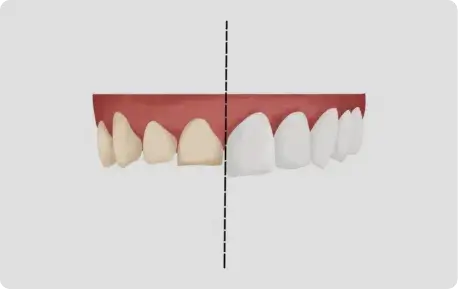
In today’s world, the pursuit of a perfect smile is more popular than ever. With the rise of social media and the constant sharing of selfies and group photos, having a bright and confident smile has become an integral part of how we present ourselves. Enter cosmetic dentistry – a realm of dental science that promises not only health but also the aesthetic appeal of our teeth. Let’s delve deep into what this field offers, its techniques, and how it is reshaping the way people perceive oral health.
What is Cosmetic Dentistry?
Cosmetic dentistry refers to dental work that improves the appearance of one’s teeth, gums, or bite. This differs from general dentistry, which focuses more on oral hygiene and preventing, diagnosing, and treating oral diseases. While general dentistry ensures that your teeth are healthy, cosmetic dentistry ensures that your teeth look their best.
The Evolution of Cosmetic Dentistry
Historically, the focus of dentistry was primarily functional – addressing issues like cavities, gum diseases, and tooth extractions. But as science progressed, so did the understanding of aesthetics in relation to oral health. Ancient civilizations, from the Egyptians to the Mayans, used various methods to decorate or modify their teeth, indicating that the desire for an attractive smile is not a new phenomenon.
Modern cosmetic dentistry truly began to take shape in the 20th century, with the invention of acrylic teeth and the development of orthodontics. Today, innovations in materials, such as porcelain and composite resins, and techniques like laser dentistry, have paved the way for procedures that are both efficient and aesthetically pleasing.
Popular Cosmetic Dental Procedures
Teeth Whitening: One of the most affordable and liked cosmetic dental treatments. Years of consuming coffee, tea, wine, and certain foods can stain our teeth. Whitening procedures can restore the natural tooth color or even whiten them beyond their natural shade.
Dental Veneers: These are thin shells, usually made of porcelain, designed to cover the front surface of the teeth. They are custom-made and can hide discoloration, brighten teeth, and improve the appearance of one’s smile.
Dental Crowns: These cap the entire tooth, restoring its shape, size, strength, and appearance. They are used for teeth that are decayed, broken, or severely discolored.
Dental Bonding: In this procedure, a tooth-colored, putty-like resin is applied to the tooth and hardened with an ultraviolet or laser light. It’s an economical way to repair decayed, chipped, fractured, or discolored teeth.
Invisalign and Braces: These are used to correct misaligned or overcrowded teeth, ensuring they sit in the correct position in the mouth. While traditional braces have been around for a long time, Invisalign offers a clear, almost invisible method to straighten teeth.
Dental Implants: For those who have lost a tooth, dental implants offer a permanent solution. A replacement tooth is attached to a titanium post that is implanted into the jawbone where the original tooth was lost.
Emerging Trends in Cosmetic Dentistry
Digital Smile Design: With advancements in 3D imaging, patients can now preview their post-treatment smile. This technology allows for a collaborative approach, letting patients be a part of the design process.
Biocompatible Materials: The focus is shifting towards materials that are not only durable and aesthetic but also biocompatible. These materials reduce the risk of allergic reactions and integrate better with the body’s natural tissues.
Minimally Invasive Procedures: Techniques are being developed to achieve desired outcomes with minimal tooth alteration. For instance, the prepless veneer can be bonded to a tooth without removing the enamel.
Benefits of Cosmetic Dentistry
Enhanced Appearance: The most evident benefit is a significantly improved appearance, which often translates to increased confidence and self-esteem.
Improved Oral Health: While cosmetic dentistry focuses on appearance, many procedures also contribute to better oral health. For instance, correcting crowded or overlapping teeth can make them easier to clean, reducing the risk of decay and gum disease.
Durability: Many cosmetic procedures are not just quick fixes. Dental veneers, implants, and crowns can last for many years, making them a long-term investment in one’s appearance.
Pain Relief: Issues like misaligned teeth can sometimes lead to chronic headaches or jaw pain. Correcting these issues can offer relief from these discomforts.
Understanding the Psychological Impact
The value of a beautiful smile extends beyond mere aesthetics. Research has shown that individuals with aligned and bright teeth are often perceived as more approachable, trustworthy, and attractive. This perception can play a pivotal role in social scenarios, job interviews, and personal relationships.
Furthermore, an improved smile can drastically boost one’s self-esteem. Many patients report feeling more confident and expressive after undergoing cosmetic dental treatments.
Cosmetic Dentistry as Self-care
Beyond societal pressures, cosmetic dentistry has begun to be seen as a form of self-care. Just as one might invest in skincare or fitness, many people view investing in their smile as a way to feel better about themselves. A beautiful smile can provide a confidence boost, helping individuals feel more self-assured in their daily lives.
Moreover, there’s a direct link between oral health and overall health. Gum diseases can have implications on heart health, and missing or misaligned teeth can lead to dietary restrictions or digestive issues.
Behind Every Smile Is a Story Worth Telling
Statistics about savings and clinical success rates are useful, but they do not capture the human experience of travelling to Albania for dental treatment and returning home with a smile that has genuinely changed how someone feels about themselves. The stories below are based on real patient experiences at Andent Clinic in Tirana and shared with the intention of helping people who are considering the same journey understand what it actually looks and feels like.
Sarah: Veneers After Years of Hiding Her Smile
Sarah is 38 and works as a secondary school teacher in Bristol. For most of her adult life she had been deeply self-conscious about her teeth. They were small, uneven, and stained from childhood antibiotics. She smiled with her lips closed in photographs. She described interviews and meetings as anxiety-inducing because she was always aware of her teeth.
She had wanted veneers for years but could not justify spending 8,000 to 10,000 pounds on a treatment that her NHS dentist had made clear would not be covered under any health plan. She found Andent through a YouTube video from a British patient and reached out tentatively, not really believing that quality treatment at a fraction of the price was genuinely possible.
After a video consultation with the Andent coordinator, she booked a five-day trip. The Digital Smile Design simulation at her first appointment in Tirana was the moment she describes as transformative. Seeing her future smile on the screen, being able to say I want it slightly longer here, and adjust the shade one tone lighter, was a level of involvement she had never imagined having with a dental procedure.
Eight e-max porcelain veneers were bonded on day four of her visit. She walked out of the clinic into the Tirana sunshine and called her sister from the pavement, laughing. The total cost was 2,400 euros. She says she has not stopped smiling since.
Marco: All-on-4 Treatment That Gave Back His Confidence
Marco is 58 and lives in Turin. He had been dealing with failing teeth for fifteen years, the legacy of a period of poor oral health in his thirties. By the time he came to Andent, he had only eleven natural teeth remaining and was wearing a partial denture that he removed at every opportunity because of the discomfort. His Italian dentist had quoted 28,000 euros for full-mouth implant rehabilitation. He had quietly accepted that this was not going to happen.
His daughter found Andent online and showed him the testimonials. He was sceptical. A friend of his who had had dental work done in Turkey had experienced problems that required expensive corrective treatment in Italy, and Marco was not willing to risk that outcome. What persuaded him was the depth and specificity of the Andent reviews, the clinic’s history since 2007, and the fact that his daughter offered to travel to Tirana with him for the first visit.
The Andent assessment confirmed that All-on-4 treatment on both arches was achievable without bone grafting. The surgery was completed over two days, with upper and lower arches addressed separately. Marco and his daughter stayed at the hotel provided by Andent. He recalls walking to a restaurant in Blloku on the evening after the first surgery, eating soft pasta and drinking water, and feeling a sense of relief that he had not felt in years.
The final zirconia bridges were fitted four months later. Marco now eats normally, speaks without self-consciousness, and laughs without covering his mouth. He spent under 7,000 euros at Andent for both arches, saving over 20,000 euros compared to the Italian quote.
Emma and Her Daughter: Orthodontics and Implants in One Trip
Emma, 44, and her 17-year-old daughter Charlotte flew from Hamburg to Tirana for what Emma describes as the most productive dental week of their lives. Emma had a missing upper premolar that had been replaced by a removable bridge for three years. Charlotte needed orthodontic treatment for moderate crowding.
They had researched costs in Germany and found that Emma’s implant would cost around 2,500 euros and Charlotte’s clear aligner treatment approximately 5,000 euros. Total: 7,500 euros, and they would still have to fit it around work, school, and the usual delays of booking specialist appointments in a busy dental market.
At Andent, the coordinator planned both treatments efficiently within a single visit. Emma’s implant was placed on day two. Charlotte had her digital scan and aligner treatment plan approved, and received her first six sets of trays to take home. The pair spent the evenings in Tirana together, trying local food, walking around Skanderbeg Square, and visiting the National History Museum. Emma called it an unexpectedly enjoyable holiday with a practical purpose.
The combined cost at Andent for both treatments was under 3,000 euros, less than half what they had been quoted in Hamburg.
What Patients Consistently Say About Andent
Reading through hundreds of Andent reviews from patients across Europe, certain themes emerge consistently. The first is surprise: patients arrive expecting to be impressed but not this impressed. They did not expect the level of communication, the attention to detail in the treatment planning, or the quality of the physical result.
The second theme is the whole experience. Patients describe the hotel, the coordinator, the transfers, and the city itself as part of a package that made the trip feel like something they did for themselves, not just a medical errand they had to get through. Several describe returning to Albania simply as tourists after their treatment.
The third theme is confidence. Across implant cases, veneer cases, and orthodontic cases, patients describe a shift in how they hold themselves, how freely they smile, and how much less energy they spend managing their awareness of their teeth in social and professional situations.
Frequently Asked Questions About Patient Experience at Andent
Are the reviews on the Andent website verified?
All reviews on the Andent website and Google profile are from genuine patients. The Google reviews are independently verified by the Google platform. The clinic does not pay for reviews or offer incentives for positive feedback.
Can I speak to a previous patient before deciding to travel?
Andent can facilitate connections with previous patients who have agreed to share their experience with prospective patients. Ask your coordinator during your initial enquiry.
What if I am nervous about travelling alone for dental treatment?
Many patients travel to Andent alone and report feeling completely comfortable. The patient coordinator is a consistent point of contact from first enquiry to departure. However, many patients also bring a partner or friend, and the hotel accommodation makes it easy for companions to join the trip.
What is the first step if I want to become an Andent patient?
Contact the clinic by WhatsApp, email, or via the contact form on andent.al. Describe your dental situation briefly and, if you have them, send photographs and any recent X-rays. The coordinator will respond promptly with initial guidance and information about next steps.
Is there anything I should prepare before my first visit to Tirana?
Bring any existing dental records, a list of medications, and details of any allergies or systemic health conditions. Organising travel insurance that covers dental complications is also recommended for peace of mind.
Newsletter
Get Dental Tips in Your Inbox
One email per month. Expert guides, patient stories, and exclusive offers — no spam.
Get Started
Free Treatment Plan in 24 Hours
Send us your X-rays or photos. Our specialists will reply with a full, personalised quote — no obligation.
Latest Articles
-
 October 4, 2026
Why Are Dental Implants So Expensive? (And How to Pay 70% Less)
Learn what drives dental implant costs in the UK, why the NHS rarely covers implants, and how treatment in Tirana can reduce the total… Read more
-
 October 4, 2026
How Long Are NHS Dentist Waiting Lists? (And the Fastest Way to Skip the Line)
See how long NHS dentist waiting lists can be, why delays happen, how dental problems can progress, and what alternatives UK patients may consider. Read more
-
 October 3, 2026
How to Find Affordable Dental Care Without Insurance
Explore practical ways to find affordable dental care without insurance, from dental schools and payment plans to lower-cost treatment at Andent Clinic in Tirana. Read more
Ready to Start?
Your New Smile is One
Consultation Away
Send us your X-rays or dental photos and receive a personalised treatment plan with clear pricing within 24 hours — completely free of charge. No obligation. No pressure. Just clarity.