
Throughout the last few years, displeasure towards the healthcare system and services in western countries has become increasingly prominent. From North America to European countries such as the UK, Italy, and France alike, appointments are becoming more and more difficult to book. In the UK, there is a line up of 11 million people. Not to mention that they’re growing progressively expensive which is making it really difficult for the average person to get the treatment they need, without taking a loan.
Patients are having to endure considerably longer waiting periods before getting access to necessary specialists, particularly when it comes to dental treatment. A UK poll found that 5% of adults have tried “DIY dentistry” due to their inability to get an appointment. This included some people pulling out their own teeth, at home. Ouch.
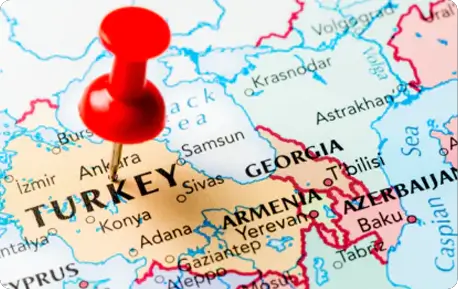
Imagine this: You’re suddenly faced with a toothache, don’t know the cause of it, and when you call your local dentist they tell you that there’s a one-month waiting time? This is just one of the reasons why dental tourism has arisen as a trend, with people being pushed to get their treatments done in countries like Turkey, Mexico, Spain, Albania, and Croatia, among others.
Turkey has been the top destination throughout the years to get dental work done. It is estimated that Turkey treats up to 250,000 dental tourists annually. Due to this influx of visitors, Turkish clinics invested in improving and scaling their services. Throughout the years, however, their quality and attention to their patients has been on the decline, which has led to serious problems. It has been reported that since January 2019, at least 22 British deaths have occurred as a result of health tourism visits to Turkey.
Things to Consider When Choosing Turkey for Dental Work
Lower Treatment Cost
Statistics show that the cost of dental procedures in Turkey can be as much as 70% cheaper than the same procedures would be in western countries. Here is a chart comparing the costs of procedures between Turkey and the UK:
| Procedure | Cost in Turkey | Cost in UK |
| Dental Implant | £1000 | £2500 |
| RhinoPlasty | £2500 | £7000 |
| Coronary Bypass | £11000 | £85000 |
| Nose Surgery | £3200 | £6500 |
Personalized Care – Maybe Not?
A British patient who shared details of her experience in Turkey said that it felt “just like a machine process that isn’t personal to you at all,” as she was interviewed alongside her local UK dentist, now treating her “mutilated” teeth. Her dentist explained that the Turkish procedures are not tailored to the patients, pointing out how some deals were marketed by clinics as “crown slash veneer”, despite those each being completely different treatments that can’t just be lumped together into the same label.
Even if you look at reviews and find a doctor you think you can trust, you may still end up in a negative scenario that some people have found themselves in. You might walk into a clinic with confidence after reading stellar reviews on the doctor, but then that doctor could only have one look at you before leaving other people to perform on you while he’s not even around. To avoid this, it’s important to look beyond simple reviews and find detailed testimonials about a clinic.
Language Barrier
As with any trip to a foreign country, you might face a language barrier problem during your stay in Turkey. Most of the accredited institutions will offer translators and patient liaisons within the clinic. However, you must ensure that the translator is accurate and well-versed in medical language. The language barrier poses a significant risk if it gets in the way of the dentist fully understanding your medical history, as outlined by the president of the Irish Dental Association – in light of two Irish deaths following procedures in Turkey.
Be prepared by having a means of translation, whether it’s through the internet, or by hiring a translator. You need to be able to clearly let a dentist know the details of any past illnesses, medications prescribed, and previous surgeries.
The Need to Exercise Caution
Turkey’s reputation has taken a hit recently as the UK’s Foreign Office issued a warning on traveling to Turkey for medical tourism due to the British deaths that were reported. The Turkish embassy has adamantly defended its healthcare services and has advised patients to stick to providers that are approved by their government’s Ministry of Health.
However, questions are being raised about whether the standards boasted by the Turkish government can be trusted. With the rapidly growing sector creating a high amount of competition, there are worries surrounding the practices that some clinics may use to try gaining advantages within the domestic landscape. A saturation of clinics has created issues for Turkey.
Affordable Alternatives to Turkey’s Dental Services
With Turkey’s popularity taking a strong hit due the alarming number of deaths associated with their dental treatment, some Turkish practitioners are actually responding by moving away from Turkey to start practices in other countries. This is leaving many people unclear on whether Turkey remains a viable option for them. However, there are other nations emerging as top contenders offering high-quality dental tourism.
Two of the fastest growing destinations are Croatia and Albania. More and more patients recommend looking at options in these countries due to their infrastructure, clinic quality, prices, and positive testimonials.
Albania in particular is increasingly popular. Croatia, although a great destination for tourists, has expensive hotels, food, and means of transportation. Albania, its neighboring country, is an increasingly popular destination. Patients are taking advantage of the great prices and quality while experiencing a country that not many know of!
Here are some reasons why many are preferring Albania as their dental choice:
- Like any popular medical tourism destination, Albania’s prices help separate it from the pack; dental implants that will cost you a minimum of £2500 in the UK can be done for as low as €800 in Albania
- Despite being a small country, Albania offers unmatched cultural experiences and scenic beauty that patients are able to enjoy after completing their treatments, with these experiences available at prices similarly low to their treatments
- Albanian dental professionals have earned a reputation for staying up to date with the latest technology and techniques for treatment, often undergoing trainings in the UK and USA to maintain their standards.
Over the last few decades, many Albanian dental clinics have been able to successfully treat complicated procedures. Some may have concerns about the experience level of the dentists considering the recency of Albania’s popularity, but established clinics such as Andent have been successfully operating in the country for over 10 years.
As medical tourism continues to rapidly grow as a trend, Albania’s entrance into the landscape will be well worth keeping an eye on. But why wait to learn more later when people are already reporting excellent experiences right now?
Ask us questions about dental treatment in Albania today by contacting Andent via Email or WhatsApp, and we’ll give you your next vacation destination.
Turkey Has Dominated Dental Tourism. But the Story Is Changing.
For years, Turkey was the go-to destination for Europeans looking to save money on dental treatment. Istanbul and Antalya attracted hundreds of thousands of dental tourists annually, and the price difference with Western Europe was significant. Turkey built a marketing machine around dental tourism that worked, for a while.
The picture has become more complicated since then. A growing number of patients returning from Turkey have reported serious problems: treatments that did not match what was promised, poor communication with dental teams, crowns that failed within months, and in some documented cases, complications requiring extensive corrective work at home. British health authorities have flagged concerns about certain Turkish dental practices, and online forums dedicated to medical tourism are full of cautionary accounts from dissatisfied patients.
Meanwhile, Albania has quietly developed into a genuinely excellent destination for dental tourism, one that offers comparable savings to Turkey but with stronger clinical governance, shorter travel times for most Europeans, and a patient experience that consistently impresses those who try it.
Price Comparison: Albania vs Turkey
On paper, Turkey still offers competitive prices for some procedures. But the gap between Turkish and Albanian prices has narrowed considerably, and for European patients, the total cost calculation including travel often favours Albania.
A single dental implant in Turkey typically costs between 300 and 700 euros at reputable clinics. At Andent in Tirana, the same procedure starts from 400 euros, making the difference minimal once you factor in that flights to Tirana from major Italian or British cities are shorter, more frequent, and often cheaper than equivalent routes to Istanbul.
All-on-4 full arch treatment in Turkey at a reputable clinic ranges from 3,000 to 5,000 euros per arch. At Andent in Albania, the price is 3,200 to 3,400 euros per arch. The difference is marginal, and when you factor in Andent’s free hotel offer and airport transfers for international patients, Albania can actually be the more affordable choice overall.
For porcelain veneers, Turkey prices range from 150 to 400 euros each. Andent’s veneers start from 150 euros and reach 300 euros for the premium options, making Albania directly competitive.
Quality and Clinical Standards
This is where the comparison becomes more nuanced and more important. Turkey has many excellent dental clinics, and it also has many clinics operating at a lower standard that rely heavily on volume and aggressive online marketing to attract patients. The challenge for a patient researching from home is that it can be genuinely difficult to tell the difference.
Several documented issues have emerged from Turkey’s dental tourism industry. Patients have reported being treated by multiple different dentists during a single visit, with the senior surgeon visible only briefly if at all. Some clinics have been found to recommend unnecessary treatments to increase revenue. Crown preparation has in some cases been overly aggressive, removing more natural tooth structure than clinical need justified. These are not universal problems, but they are common enough to warrant serious caution.
Albania’s dental tourism sector is smaller and, because of that, more accountable. Clinics in Tirana operate in a market where word of mouth matters enormously, and where a bad reputation spreads quickly through the Italian and British patient communities that represent the bulk of visitors. Andent Clinic has built its reputation over nearly two decades by prioritising clinical quality over volume.
At Andent, the same dentist who examines you at the initial consultation is the one who treats you. Dr. Anduela Curmaku personally oversees all implant procedures. The treatment plan you agree to is the treatment you receive, with no substitutions and no additions without your consent.
Travel Logistics: Getting to Albania vs Turkey
For most European patients, Albania is easier to reach than Turkey. Tirana’s Mother Teresa Airport receives direct flights from Rome, Milan, London Gatwick, London Stansted, Frankfurt, Vienna, Zurich, and dozens of other European cities. Flight times from Italy are typically 80 to 100 minutes. From the UK, the journey takes around two and a half to three hours. Budget airlines including Wizz Air, Ryanair, and easyJet all serve Tirana.
Istanbul requires a minimum of three hours of flying from London and two from Rome. Antalya, another popular dental tourism hub in Turkey, is even further. For a trip combining treatment and travel, the extra time in transit adds up, particularly for patients making multiple visits for implant treatment.
Tirana itself is compact and easy to navigate. The clinic district, hotels, and the main cultural attractions are all within a few minutes of each other. Patients who have visited both countries for dental treatment consistently describe the Tirana experience as less stressful and more personal.
Communication and Language
Language is a practical consideration that affects the safety and quality of treatment. In Turkey, while many clinic staff speak some English, the level of fluency varies widely, and patients have reported feeling uncertain about whether their concerns were fully understood during consultations and post-operative instructions.
Albania has a strong tradition of multilingualism. Italian is widely spoken, particularly in Tirana, because of close cultural and economic ties between Albania and Italy. English is increasingly common, especially among younger professionals. At Andent, the patient coordination team speaks English, Italian, and Albanian fluently, and all treatment communication is conducted in the patient’s preferred language. For Italian patients specifically, the clinic offers native-level Italian communication throughout.
The Verdict: Why Albania Is the Smarter Choice for Most European Patients
Turkey remains an option for dental tourism, and there are excellent clinics there. But for European patients, particularly those from the UK, Italy, Germany, or France, Albania offers a combination of factors that is hard to beat. Prices are comparable to Turkey. Clinical standards at the best Albanian clinics are high and consistently maintained. Travel is faster and cheaper for most Europeans. Communication is easier. And the accountability of a smaller, more personal dental tourism market means that clinics like Andent work harder to get things right every time.
The growth of Albania as a dental tourism destination has happened organically, built on genuine patient satisfaction rather than marketing spend. That is a meaningful distinction.
Frequently Asked Questions: Albania vs Turkey for Dental Work
Is dental work in Albania as good as in Turkey?
At a well-established clinic like Andent, the quality of dental care in Albania is equal to or better than most Turkish dental tourism offerings. The key is choosing a clinic with a long track record, verified reviews, and transparent clinical standards.
Are flights cheaper to Albania or Turkey from the UK?
Both can be affordable, but flight times to Tirana are significantly shorter. Budget carriers serve both destinations. For patients making multiple trips for implant treatment, the shorter journey to Albania is a practical advantage.
Is Albania safe to visit as a tourist?
Yes. Albania is a safe country with a very low rate of violent crime. Tirana is a welcoming, cosmopolitan city with excellent hospitality. The country is a candidate for EU membership and aligns with European standards across many areas of public life.
Do I need a visa to visit Albania from the UK?
UK passport holders can enter Albania without a visa for stays of up to 90 days. EU citizens enjoy the same visa-free access.
What if I have complications after dental treatment in Albania?
Andent provides a warranty on all implant and restorative work and offers remote aftercare support. Any clinical issues within the warranty period are addressed at no additional cost, with in-clinic appointments available for patients who need to return.